The Transformative Power of Faith: Human Value and Belief in The Twenty-Third Word by Said Nursi
This text explores the profound impact of faith on the human soul and value, explaining how belief elevates and ennobles the individual. According to the author, faith serves as a spiritual link connecting human beings to their Creator, enabling them to recognize the Divine artistry manifested within them. Through faith, a person ceases to be merely a temporary material existence and attains an eternal worth, rising to a rank worthy of Paradise.
In contrast, disbelief severs this sacred connection, burying the precious qualities within the human being in darkness and reducing him to nothing more than a transient and insignificant piece of matter. The text illustrates this striking difference through the analogy of an antique work of art: when a masterpiece loses its connection to its artist, its value falls to that of mere scrap. Likewise, a human being’s true significance diminishes when detached from the Creator.
Ultimately, the text argues that a person’s genuine importance does not stem from physical existence alone, but from the ability to reflect and manifest the attributes of the Creator, serving as a mirror to the Divine.
NotbookLM & ChatGPT
The Twenty-Third Word
In the Name of God, the Merciful, the Compassionate.
Indeed, We have created man on the most excellent of patterns, Then sent him down to the lowest of the low, Except those who believe and do good deeds. – Qur’an, 95:4-6.
First Chapter
We shall explain in five ‘Points’ only five of the virtues of belief out of thousands.
FIRST POINT
Through the light of belief, man rises to the highest of the high and acquires a value worthy of Paradise. And through the darkness of unbelief, he descends to the lowest of the low and falls to a position fit for Hell. For belief connects man to the All-Glorious Maker; it is a relation. Thus, man acquires value by virtue of the Divine art and inscriptions of the dominical Names which become apparent in him through belief. Unbelief severs the relation, and due to that severance the dominical art is concealed. His value then is only in respect to the matter of his physical being. And since this matter has only a transitory, passing, temporary animal life, its value is virtually nothing. We shall explain this mystery by means of a comparison:
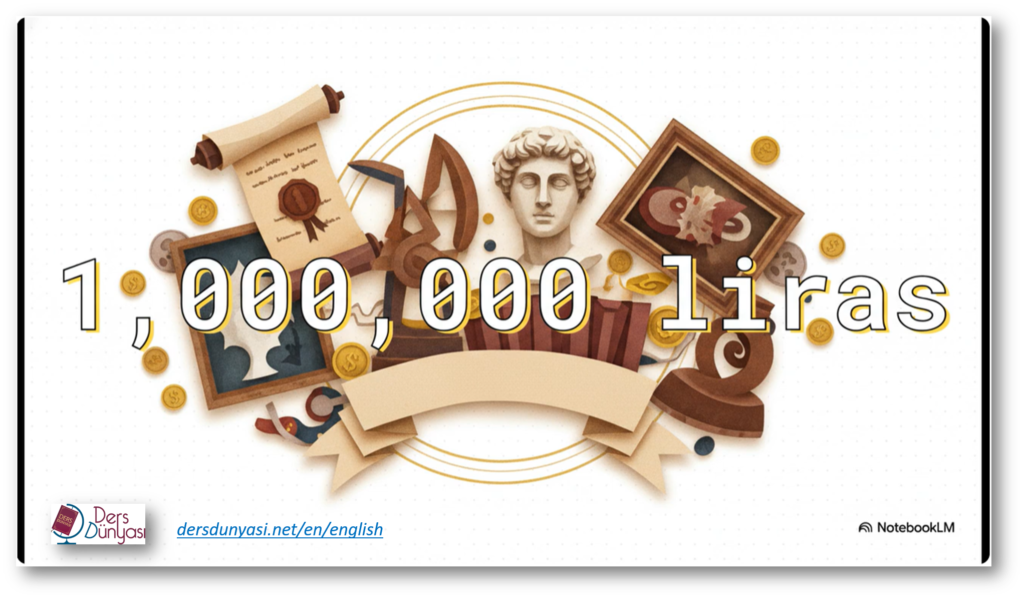
For example: among man’s arts, the value of the materials used and that of the art are entirely different. Sometimes they are equal, sometimes the material is more valuable, and sometimes it happens that five liras’ worth of art is to be found in material like iron worth five kurush. Sometimes, even, an antique work of art is worth a million while the material of which it is composed is not worth five kurush. If such a work of art is taken to the antiques market and ascribed to a brilliant and accomplished artist of former times, and announced mentioning the artist and that art, it may be sold for a million liras. Whereas if it is taken to the scrap-dealers, the only price received will be for the five kurush’s worth of iron.
Thus, man is such an antique work of art of Almighty God. He is a most subtle and graceful miracle of His power whom He created to manifest all his Names and their inscriptions, in the form of a miniature specimen of the universe. If the light of belief enters his being, all the meaningful inscriptions on him may be read. As one who believes, he reads them consciously, and through that relation, causes others to read them. That is to say, the dominical art in man becomes apparent through meanings like, “I am the creature and artefact of the All-Glorious Maker. I manifest His mercy and munificence.” That is, belief, which consists of being connected to the Maker, makes apparent all the works of art in man. Man’s value is in accordance with that dominical art and by virtue of being a mirror to the Eternally Besought One. In this respect insignificant man becomes God’s addressee and a guest of the Sustainer worthy of Paradise superior to all other creatures.
However, should unbelief, which consists of the severance of the relation, enter man’s being, then all those meaningful inscriptions of the Divine Names are plunged into darkness and become illegible. For if the Maker is forgotten, the spiritual aspects which look to Him will not be comprehended, they will be as though reversed. The majority of those meaningful sublime arts and elevated inscriptions will be hidden. The remainder, those that may be seen with the eye, will be attributed to lowly causes, nature, and chance, and will become utterly devoid of value. While they are all brilliant diamonds, they become dull pieces of glass. His importance looks only to his animal, physical being. And as we said, the aim and fruit of his physical being is only to pass a brief and partial life as the most impotent, needy, and grieving of animals. Then it decays and departs. See how unbelief destroys human nature, and transforms it from diamonds into coal.
SOURCES
Bediuzzaman Said Nursi, The Words – The Twenty-Third Word – First Chapter, The English translations of the Risale-i Nur Collection, translated by Şükran Vahide and published by Sözler Neşriyat, are an exact printed version of the original text. (erisale.com)
The Words/The Twenty-Third Word – https://www.erisale.com/index.jsp?locale=en#content.en.201.319

